
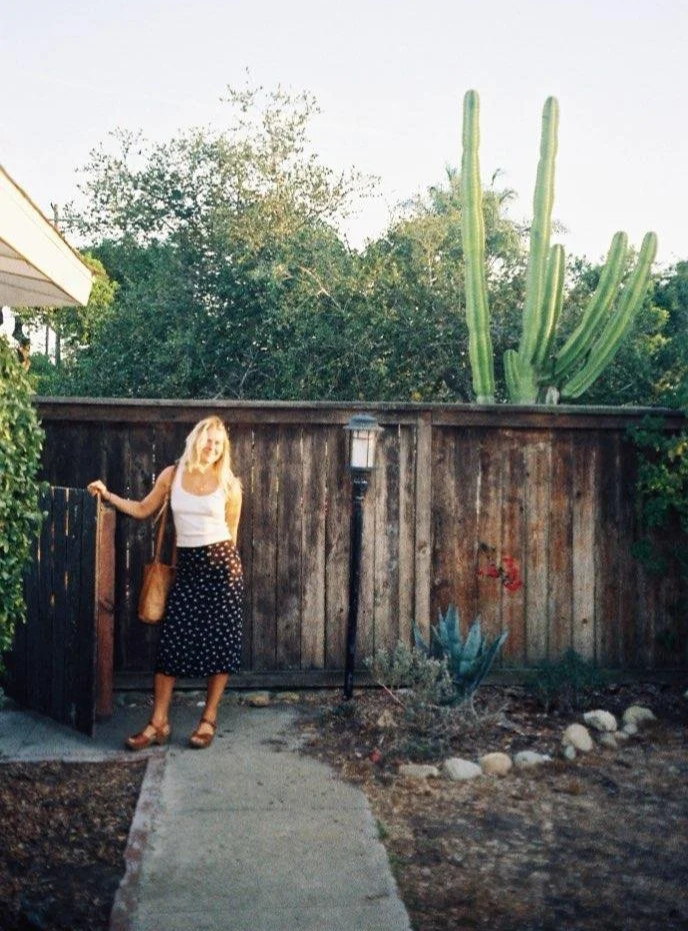
I was raised on an organic farm along California’s Gaviota Coast where the rhythms of the land shaped my earliest sense of time and nourishment. My family grew most of our own food—guavas and kiwis over here, and pomegranates, cherimoyas, and peaches over there. I knew when each fruit was in season and ripe for the picking.
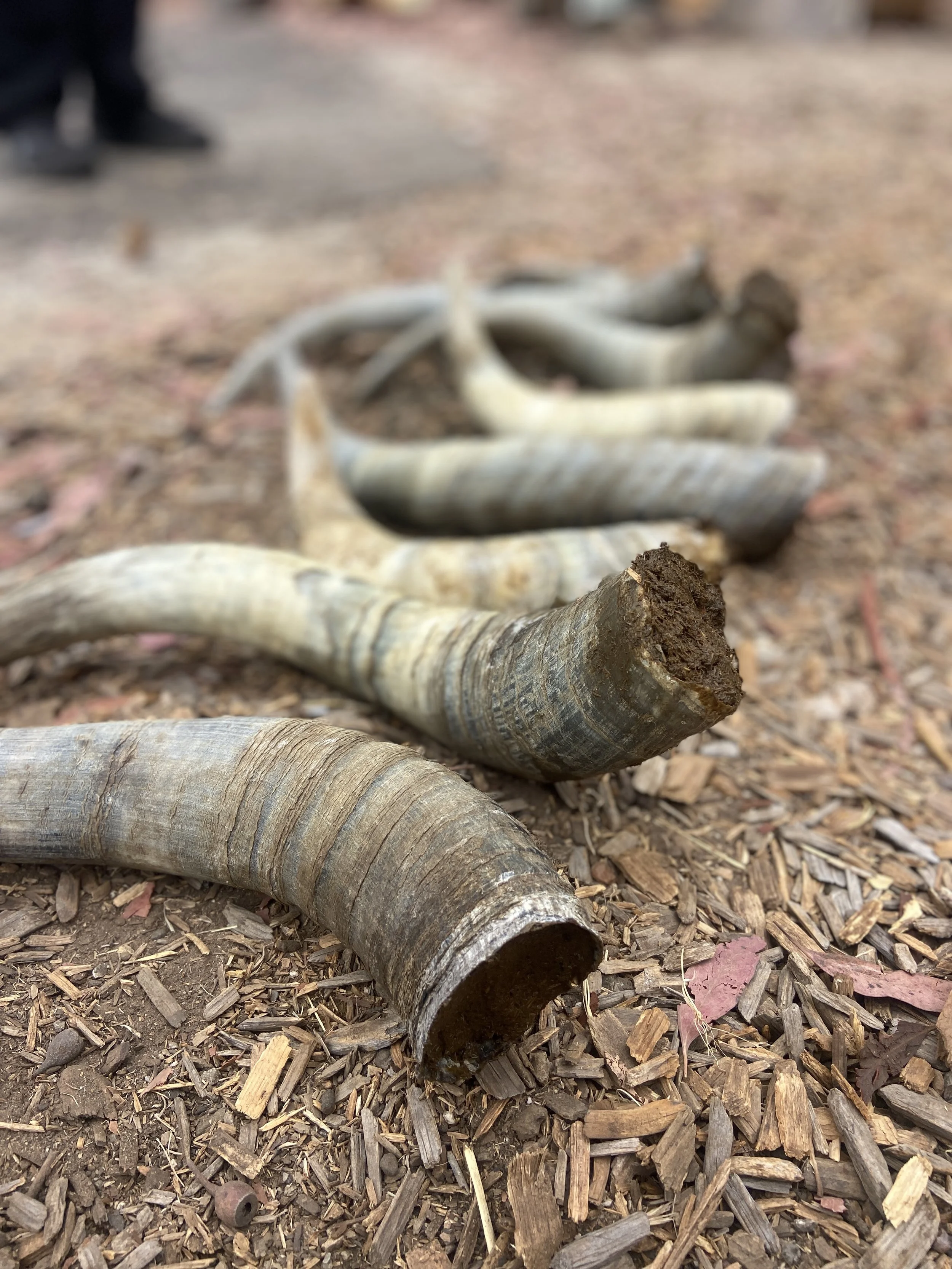
My love for organic food & farming was inspired by my late step-dad who was part of the Sunburst community in Santa Barbara in the 70’s. After studying Environmental Science and Food Systems at UCLA, I continued to learn more about permaculture, organic gardening, and soil health through workshops, trainings and books. For five years I supported Kiss The Ground’s mission as Farmland Program Director, providing financial, educational and training resources for farmers transitioning to regenerative agriculture. My hands were always in the soil volunteering at local farms, including White Buffalo Land Trust, Gaviota Givings, and Fairview Gardens. For a time I was a shepherd to a flock of 30 sheep and supported holistic land practices at Âmevive, a natural wine grower in the Santa Ynez Valley. After attending the Hopland Lambing School and going through my first lambing season on the farm, I quickly became enchanted with birth. Biodynamic farming has become a recent passion of mine, attending workshops and seasonal gatherings through the Biodynamic Association of Northern California.
Biodynamic Farming
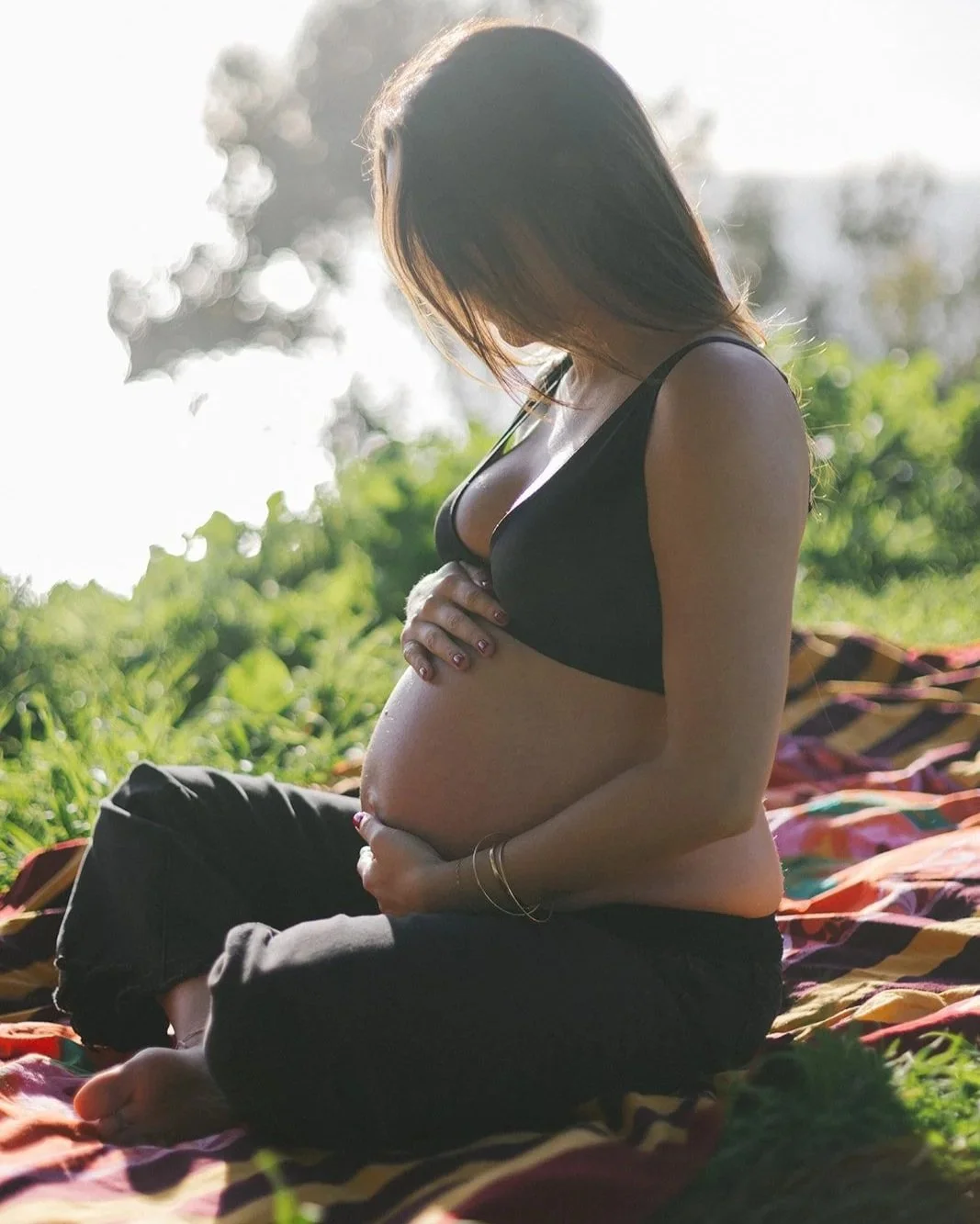
My path has led me to birthwork, where I have the privilege of sitting at the feet of women as they move through one of life's most profound rites of passage. I am continually humbled by the wisdom of the female body and grateful for a deep trust in my own.
My first encounter with live birth was on a farm during lambing season. The farmers taught us never to disturb a ewe in labor, and that sheep often leave the flock to birth alone. Animals possess an instinctual need for privacy in birth. Naturally, I began wondering why human birth is distinctly managed. In The Farmer and the Obstetrician, Dr. Michel Odent draws compelling parallels between modern obstetrics and agricultural practices that challenge many of our assumptions about birth.
As I began to ask questions, I encountered more ideas that challenged the dominant narrative. Despite technological advances, birth outcomes in hospitals have not consistently improved, while midwifery-led care is associated with better outcomes. I learned that birth complications have been correlated to an impaired capacity to love. That the witch hunts and marginalization of midwifery was not incidental, but part of a broader shift toward the medicalization and monopolization of birth. The evidence suggests that the safest place to birth is where the mother feels unobserved and undisturbed, which is usually at home. Disturbances in the birth space can interfere with labor, slowing or even stoping its progression altogether.
Undisturbed birth is certainly in the realm of the mystical for most people. Fear is normal and natural, and birth is inherently unpredictable and will stretch you physically and emotionally. But when we allow our fears to control us, and construct systems (and institutions) to avoid confronting those fears, we should examine them. Pregnancy is an opportunity to identify your fears, explore where they come from, and consider how they have served you. You will not eliminate all fears in childbirth, but you can acknowledge some and bless others. Releasing fear can even become part of the birth process itself. As you come to understand your fears, they lose much of their power. Your instinct and physiology are much stronger than your fear. When we demystify birth while also honoring its depth and significance, we create space to trust ourselves more fully and reclaim our sovereignty within the birth experience.
Until we come to know birth, we will continue to complicate it. What I now understand, on the bridge between maiden and mother, is that womanhood carries a profound creative power. To bring life into the world is both a privilege and a responsibility. My hope is that women and families are transformed through birth, that they are seen, supported, and witnessed in this passage, and that every child enters the world with an intact capacity for love.